


 Listen Live
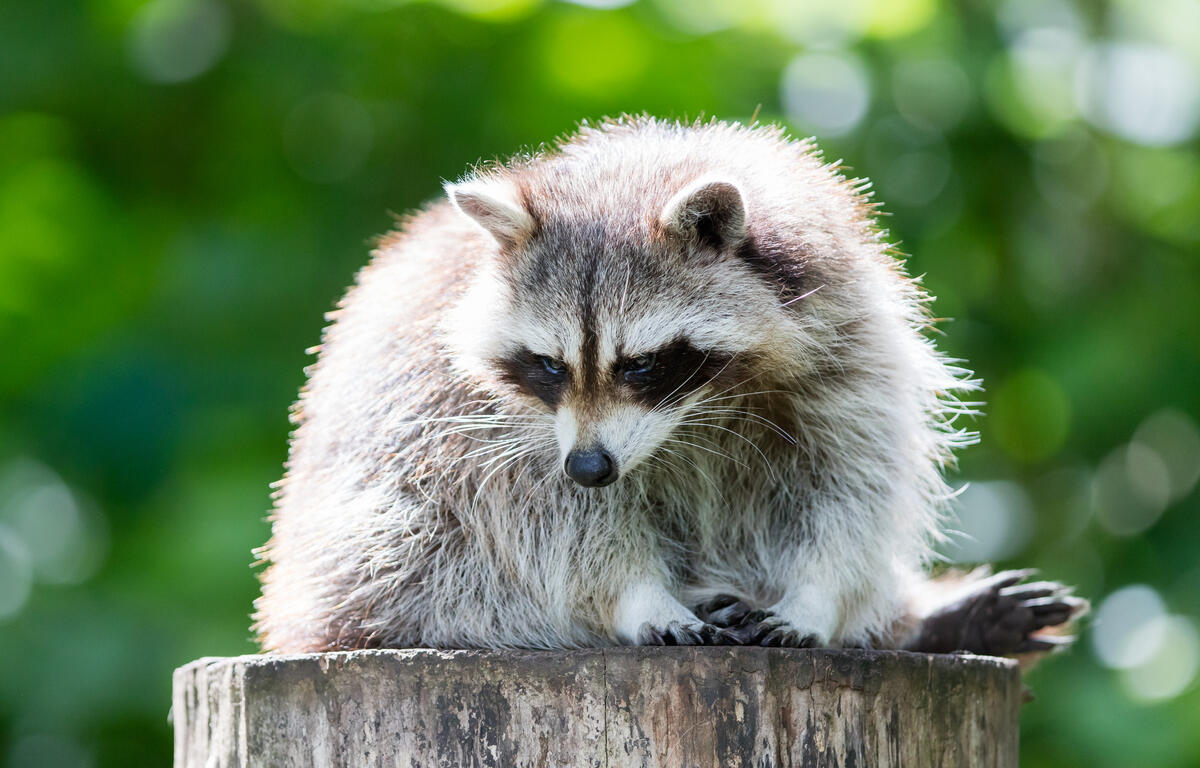

WAYNESBORO, VA (Rocktown Now) — The Central Shenandoah Health District (CSHD) is notifying the community that a raccoon found near the vicinity of Nottingham Lane in Waynesboro tested positive for rabies on June 12, 2026. At this time, officials are seeking information about any possible human or animal exposures linked to this rabid animal.
The racoon was collected and euthanized due to injuries, which may indicate a recent encounter with another animal.
“While humans might know not to approach wild animals, it’s a different story for pets,” said Jason Weakley, the environmental health manager at CSHD. “Keeping your cats and dogs up to date on their rabies vaccination helps protect them from the virus. If your pet is attacked or bitten by a wild animal, be sure to report it to your local health department or animal control authorities. If your pet has unexplained wounds or injuries, please have them checked by your veterinarian.”
Anyone having information regarding any potential exposure to this animal via a bite, scratch or contact with saliva in an open wound or through the eyes, nose or mouth is encouraged to contact the Staunton-Augusta Health Department Environmental Health Office at (540) 332-7830.
Exposures also include direct contact between your pet and the rabid animal.
Central Shenandoah Health District reminds all residents to follow these important rabies prevention guidelines:
- Do not feed stray animals.
- Avoid wild animals, especially raccoons, bats, foxes and skunks.
- Feed your pets indoors and do not let them wander.
- Make sure your pets are vaccinated against rabies and their shots are up to date. By law, dogs and cats must be vaccinated against rabies.
- Teach children to avoid contact with wild animals and unfamiliar pets.
- Do not handle sick, injured or dead animals. If you see a wild animal that appears to be ill, injured or orphaned, contact the Virginia Department of Wildlife Resources or a licensed wildlife rehabilitator for guidance.
- Keep wild animals out of homes by capping chimneys with screens and blocking openings in attics, cellars and porches.
- Ensure trash cans have tight fitting lids
Rabies is linked to a virus that attacks the nervous system and can be deadly if not properly treated. If you are bitten by a wild or stray animal, wash the wound(s) thoroughly with warm soapy water and contact animal control, your healthcare provider or the Health Department.
For more information about rabies, visit Rabies Control – Animal Contact & Human Health.