


 Listen Live
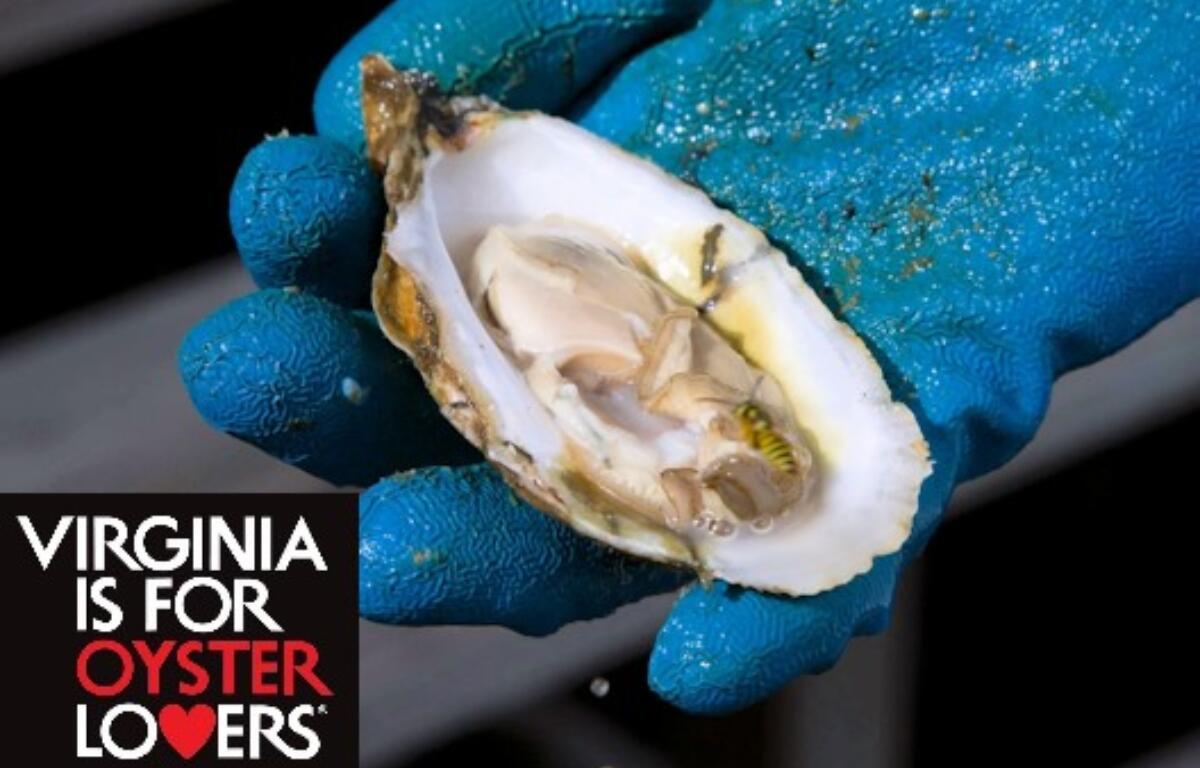

Virginia’s oyster industry is reeling from millions of dollars in losses after a widespread harmful algae bloom, known as a “Mahogany Tide,” swept through portions of the Chesapeake Bay this summer.
Watermen and aquaculture producers report that the rust-colored bloom caused significant oyster mortality, with estimates placing losses at roughly $16 million by mid-October. The event affected oyster farms across several Bay tributaries, dealing a major blow to an industry that has become one of Virginia’s most valuable seafood sectors.
Scientists say Mahogany Tide occurs when naturally occurring algae multiply rapidly and reach unusually high concentrations. While the algae are not always toxic, dense blooms can reduce oxygen levels in the water and create stressful conditions that lead to large-scale shellfish deaths.
Researchers believe a combination of extreme weather conditions helped fuel this year’s outbreak. Virginia experienced prolonged drought, unusually warm temperatures, and reduced freshwater flows into the Chesapeake Bay during the summer months. Those conditions likely created an environment favorable for algae growth.
The losses are expected to have lasting effects on growers, many of whom have invested years nurturing oysters to market size. Industry leaders are urging continued research into harmful algal blooms and strategies that may help oyster farmers better prepare for similar events in the future.
For many Chesapeake Bay watermen, the 2026 Mahogany Tide will be remembered as one of the most damaging environmental events in recent years.