


 Listen Live
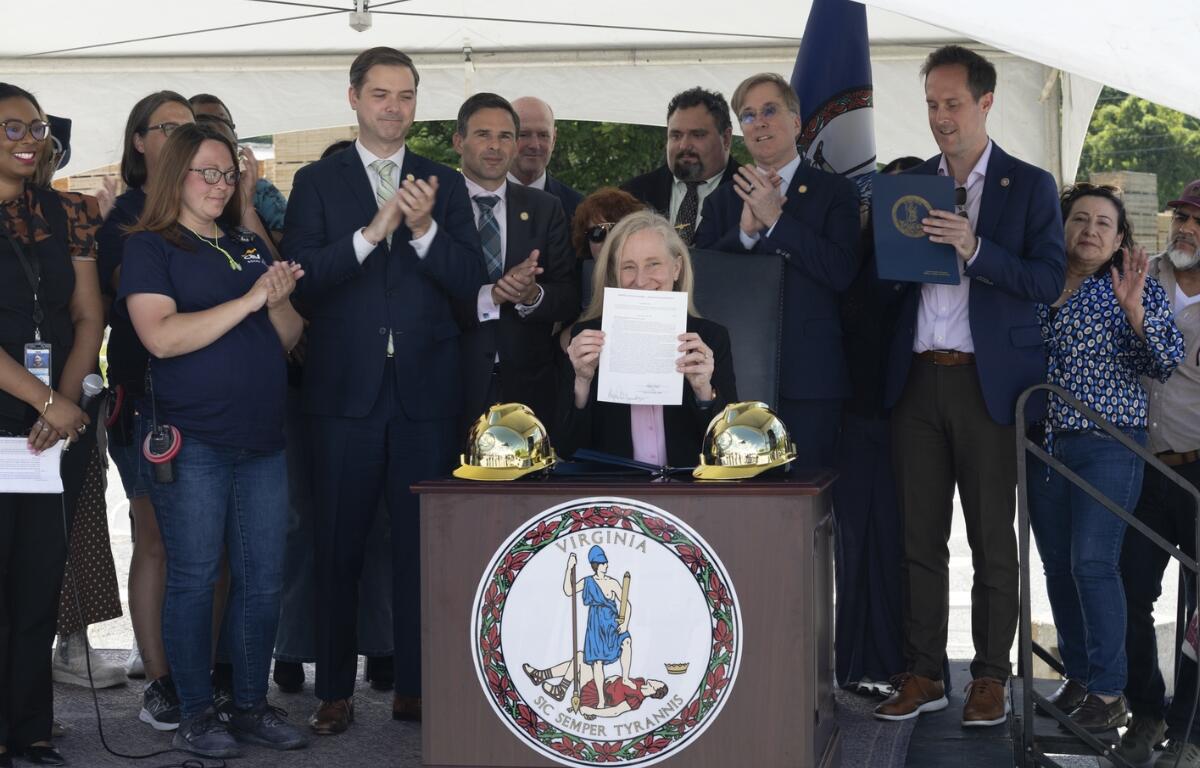

ROCKY MOUNT, VA (Rocktown Now) — Governor Abigail Spanberger signed a package of bipartisan housing bills aimed at addressing Virginia’s growing housing affordability challenges, expanding housing supply, and increasing opportunities for homeownership across the Commonwealth.
The legislation, signed during a visit to the Cavco manufacturing facility in Rocky Mount, includes measures to encourage new housing development, reduce regulatory barriers for manufactured homes, and increase transparency in rental agreements.
Joined by lawmakers, local leaders, housing advocates, and residents impacted by the legislation, Spanberger said housing affordability remains one of Virginia’s most pressing issues.
“Virginia has a housing affordability problem across the board. It is real, it is urgent, and it is one of the biggest threats to the strength of our Commonwealth,” Spanberger said. “Virginia is taking concrete steps to tackle the housing crisis — expanding supply, protecting tenants, increasing transparency, and making sure that manufactured housing has the same standing under Virginia law as any other home.”
Among the measures signed into law is a two-year pilot program designed to encourage increased housing development throughout the state. Additional legislation aims to remove zoning and regulatory barriers that have historically limited the use of manufactured housing as an affordable homeownership option.
Before the bill signing, Spanberger toured the Cavco facility, where manufactured homes are built, and discussed housing shortages affecting communities across Virginia.
“I saw firsthand how these homes are built,” Spanberger said. “These are quality homes. Zoning laws across Virginia have sometimes treated manufactured housing as something ‘less than,’ blocking it from neighborhoods where traditional site-built homes have always been welcome. The bills we’re signing here today change that and open more doors to homeownership for families across Virginia.”
Several legislators who sponsored the bills highlighted the impact they expect the new laws to have on working families.
State Senator Schuyler VanValkenburg said affordable housing remains a top concern among constituents.
“Every day I hear from working people who are worried about their bills and the increasing cost of housing,” VanValkenburg said. “Core to the American dream is being able to afford a house.”
Delegate Paul Krizek emphasized protections for residents of manufactured home communities, including provisions that give tenants a first opportunity to purchase their communities if they become available for sale.
“These are not just starter homes,” Krizek said. “People love living in these communities.”
Delegate Dan Helmer said the legislation addresses unequal treatment of manufactured housing under current regulations.
“Right now, manufactured housing faces a different set of rules than built housing,” Helmer said. “We think that is getting in the way of building more homes and making homes more affordable in Virginia.”
Delegate Josh Thomas said the legislation removes zoning obstacles that have limited housing options in some communities.
“This bill cuts the red tape and allows a manufactured home to stay in an area, and more manufactured homes to come into that area, so long as it continues to be a manufactured home neighborhood,” Thomas said.
The event also featured remarks from Randy Grumbine, executive director of the Virginia Manufactured and Modular Housing Association, who praised the administration’s efforts to advance housing affordability initiatives.
Local homeowner John LaFlamme shared how the legislation will directly impact his family. After losing his home in an electrical fire, LaFlamme said local zoning restrictions initially prevented him from replacing it with a manufactured home.
“I thought I was just going to have to move somewhere else,” LaFlamme said. “Now, thanks to these new laws, I’m able to buy a new home in this area.”
State officials said the legislation represents part of a broader effort to address Virginia’s housing shortage and provide more affordable housing options for families across the Commonwealth.