


 Listen Live
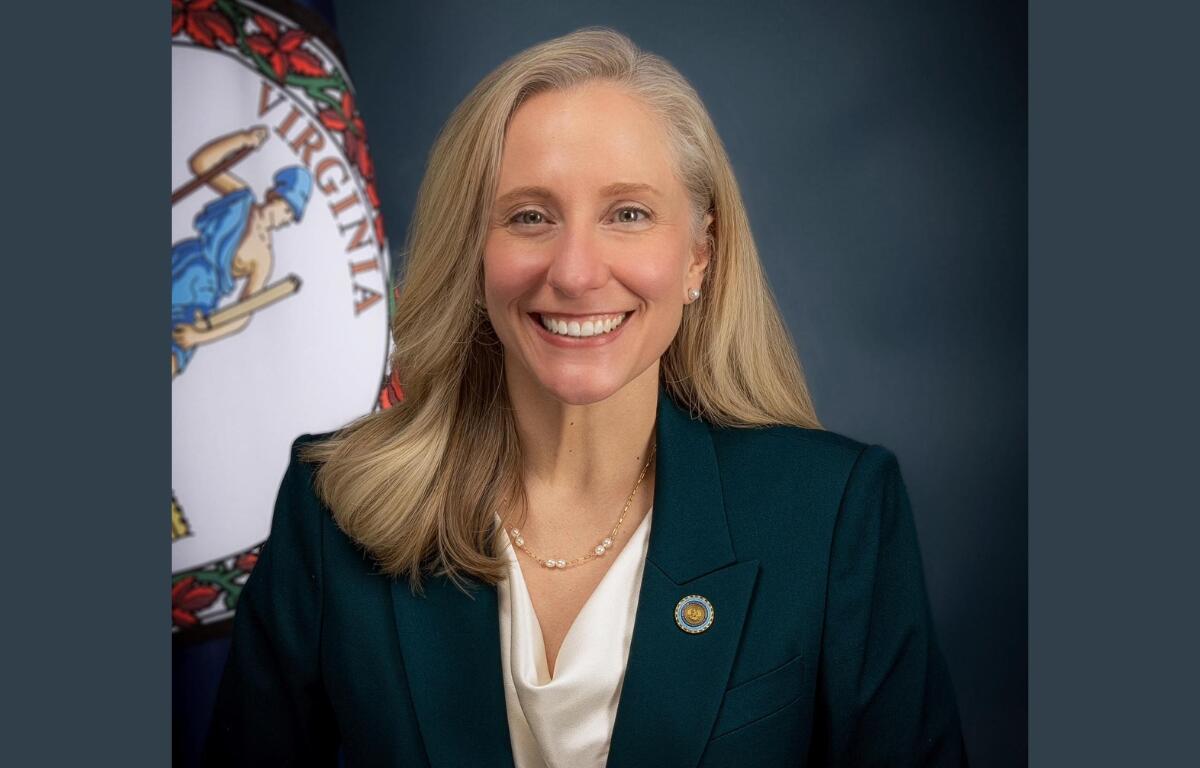

RICHMOND, VA (Rocktown Now) — Governor Abigail Spanberger and members of the General Assembly announced a package of legislation — part of their joint ‘Moving Virginia Forward’ Agenda — focused on lowering housing costs for Virginians, increasing the supply of housing for renters and buyers, and protecting existing affordable housing.
At Joyfield Flats at Woodbridge Apartments, a 15-minute walk from the Woodbridge VRE station, Governor Spanberger highlighted new proposals to expand housing near public transit, make surplus state-owned land available for housing development, and create a fund to help localities and nonprofits buy affordable properties when affordability protections are expiring — preventing large rent increases and keeping homes affordable in the long term.
“The cost of living is top of mind for families everywhere, particularly with the continued chaos out of Washington driving up costs across the board. That’s why lowering costs in healthcare, housing, and energy is the top priority in our Moving Virginia Forward agenda that we unveiled last week,” said Governor Abigail Spanberger. “Today, we are announcing a slate of housing bills to make sure more Virginians can find a home they can afford and keep the one they already have. We are taking action to use state land to build more housing, encourage more housing near public transit, and help protect affordable housing in the long term. I look forward to working together with the General Assembly to turn these proposals into law.”
The Governor’s proposals for the 2027 General Assembly Session to lower housing costs include:
- Expanding transit-oriented development to encourage more housing to be built and better connect more Virginians to existing public transit.
- Utilizing surplus state-owned land for housing by identifying land that can be made available for transit-oriented housing and affordable housing.
- Preserving and protecting existing affordable housing to help localities and nonprofits acquire affordable units.
- Streamlining state home repair programs for Virginians by creating a single access point for Virginians to navigate and better understand which programs meet their needs.
- Unlocking new affordable housing options by removing the requirement for manufactured housing to have a permanent chassis, which is a steel frame that allows the home to be transported.
- Keeping Virginians in their homes by improving property ownership assistance for heirs.
- Supporting Virginia’s renters by giving Virginians clear pathways to access a range of assistance beyond eviction prevention — including utility assistance, food pantries, and job training.
- Identifying best practices in local zoning regulations.