


 Listen Live
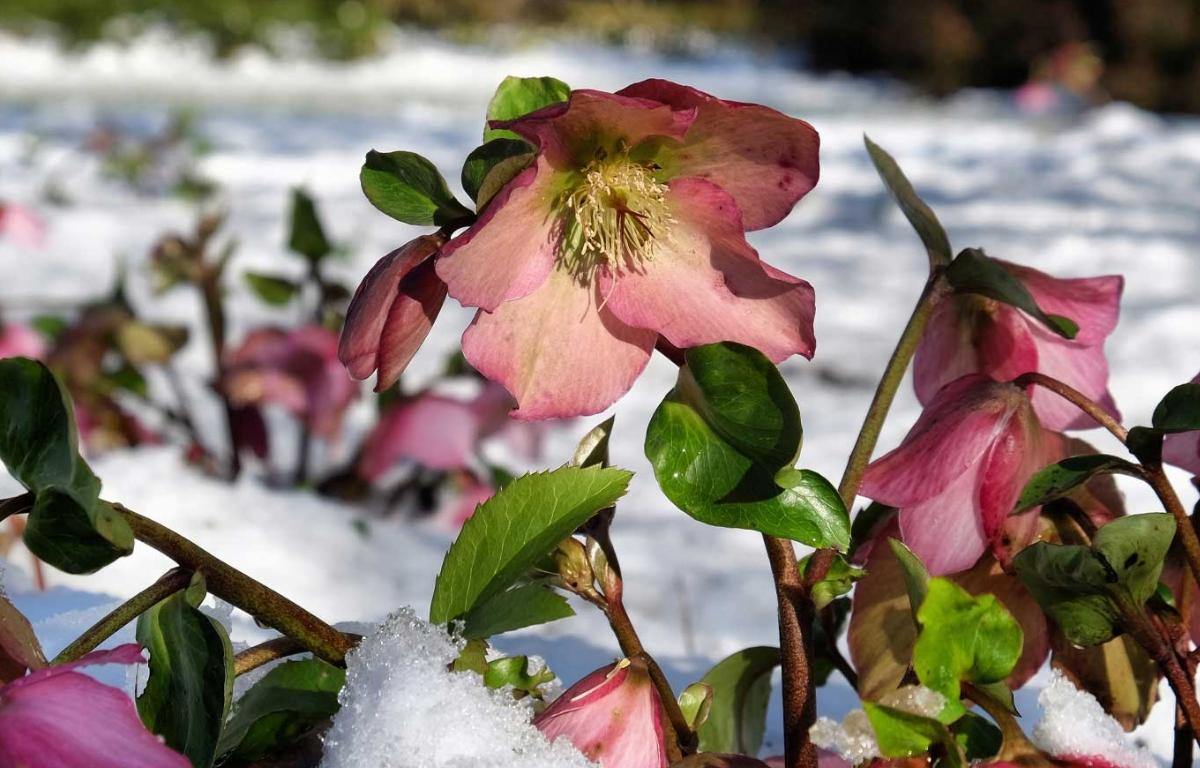

ASHLAND (Virginia Farm Bureau) — Beneath the ice-glazed blanket of snow testing Virginians’ patience is the promise of a verdant spring. While frozen conditions disrupt life on the street level, plants and grasses are insulated from extreme cold as slow-melting snow provides steady moisture and atmospheric nutrients.
Depending on conditions, soil-enriching elements like nitrogen and phosphorus attach to snowflakes falling through the atmosphere, explained Scot Ferguson, a Virginia Cooperative Extension agent in Hanover County.
Homeowners can be intentional in utilizing “the poor man’s fertilizer.” When clearing snow onto garden beds and mulched areas, a tiresome chore becomes a down payment for spring.
Moving snow to landscaped and natural areas can introduce “a little bump of nitrogen,” he said. “You’d want to relocate snow along the drip line of the shrub or tree, kind of like you would with mulch.”
As snow melts, fertilizing nutrients are slowly released into the soil. And come spring thaw, the gradual melt is a steady source of moisture for roots.
“Plants are probably not getting super waterlogged, and you’re not dealing with runoff,” Ferguson said. “They will be quite hydrated and trying to transpire!”
Landowners in rural Virginia managing pasture and grassland typically spend between $4 and $10 per acre for professional nutrient management planning. Ferguson said they welcome the gentle deposit of nutrients resulting from snowfall.
“And for bigger landowners with cover crop programs, that’s where they find the bang for their buck,” he said.
Native plant species are adapted to Virginia’s climate, but some ornamentals like boxwood or tender perennials can sustain cellular damage from a quick-moving cold front.
Even a modest layer of snow protects soil from extreme temperature fluctuations, reported North Carolina Cooperative Extension. This insulating effect stabilizes soil temperatures, preventing harm to plant roots.
“And if it’s warm enough under there, the snow forms an insulating blanket, and grass will certainly grow,” Ferguson said. “Snow still allows sunlight to penetrate its surface. If the plant can move water, if the ground isn’t frozen, then plants and grass can probably photosynthesize!”
Though six more weeks of winter weather is predicted, temperatures can fluctuate.
“Your flowering plants may come into bloom when we have warm weather,” said Mark Viette, retired host of In the Garden, a video series presented by Virginia Farm Bureau Federation. Milder days may be followed by “a real cold spell.”
He advised protecting flowering plants with a sheet or soft cover, warmed with an incandescent lamp rated for outdoor use.