


 Listen Live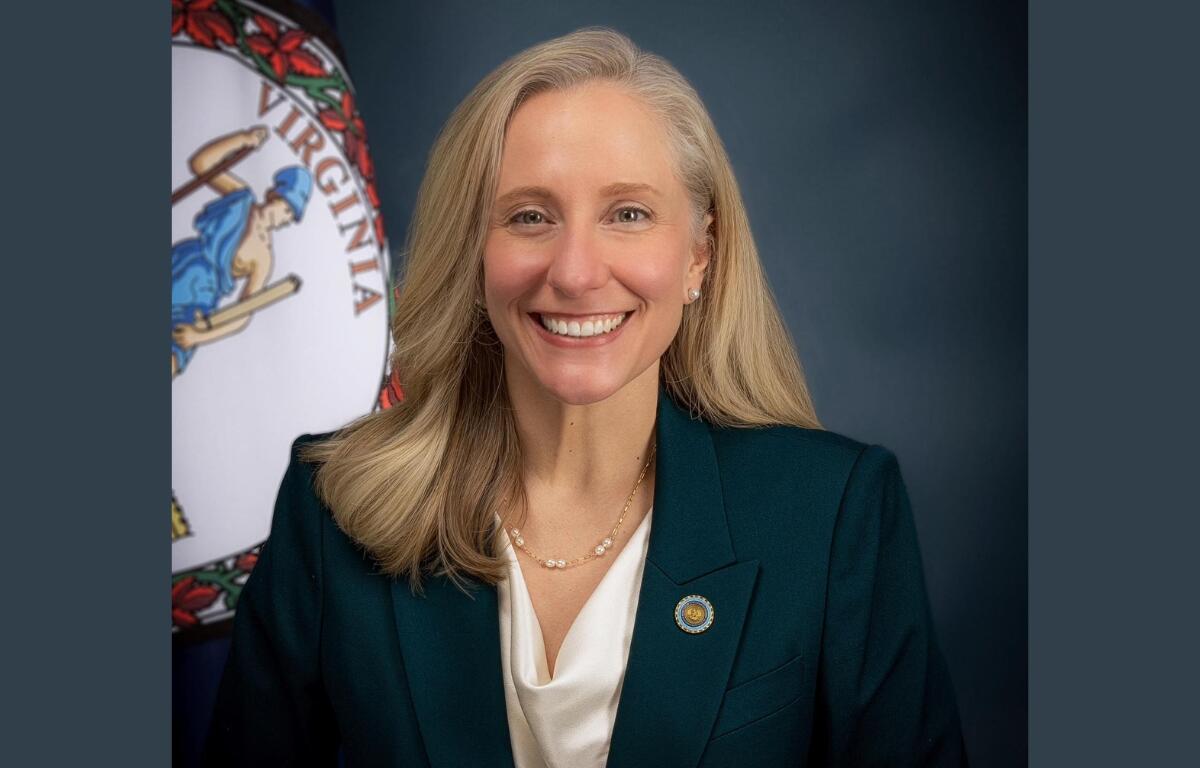

RICHMOND, VA (Rocktown Now) — Governor Abigail Spanberger announced on Wednesday that 61 projects to help Virginians find housing that meets their needs will receive $14 million in Virginia Housing Trust Fund Homeless Reduction Grants. These investments will advance efforts to reduce homelessness in Virginia by supporting 19 permanent supportive housing projects, 29 rapid rehousing projects, and 13 innovation projects for underserved populations.
Among those receiving include $300,000 for Mercy House for its rapid re-housing, $227,000 for the Valley Community Services Board for its Underserved Populations Innovations Project Renewal, and $30,000 for the Shenandoah Alliance for Shelter for its rapid re-housing project
“These projects represent our shared commitment to helping more Virginians find housing that meets their needs and helps create stability for their families,” said Governor Abigail Spanberger. “With investment from the Virginia Housing Trust Fund, we are strengthening support for our neighbors and continuing to build a Commonwealth where every Virginia family has the chance to put down roots and thrive.”
“Housing is a core pillar of a strong community and a strong economy,” said Secretary of Commerce and Trade Carrie Chenery. “This funding helps ensure that our most vulnerable Virginians have the support they need, and it brings us closer to a Commonwealth where episodes of homelessness are rare, brief, and not repeated.”
“When people have a stable place to live, they are in a much better position to take care of their health, provide for themselves and their families, and move up the economic ladder,” said Secretary of Health and Human Resources Marvin Figueroa. “These investments help people to transition out of crisis and into housing that allows them to rebuild and get back on their feet.”
The Virginia Housing Trust Fund (VHTF) provides financing for housing construction projects that create or preserve affordable housing units, reduce the cost of affordable housing, and increase homeownership. These investments are a key source of financing for these affordable housing initiatives to support moderate- and low-income families, as well as supporting homeless reduction grants to provide rapid re-housing and longer-term housing solutions for individuals experiencing chronic homelessness.