
 Listen Live



BRIDGEWATER, VA (Rocktown Now) – A new partnership between Bridgewater College (BC) and the Wildlife Center of Virginia (WCV) is giving students the opportunity to get practical experience with wildlife rehabilitation and animal care without leaving campus.
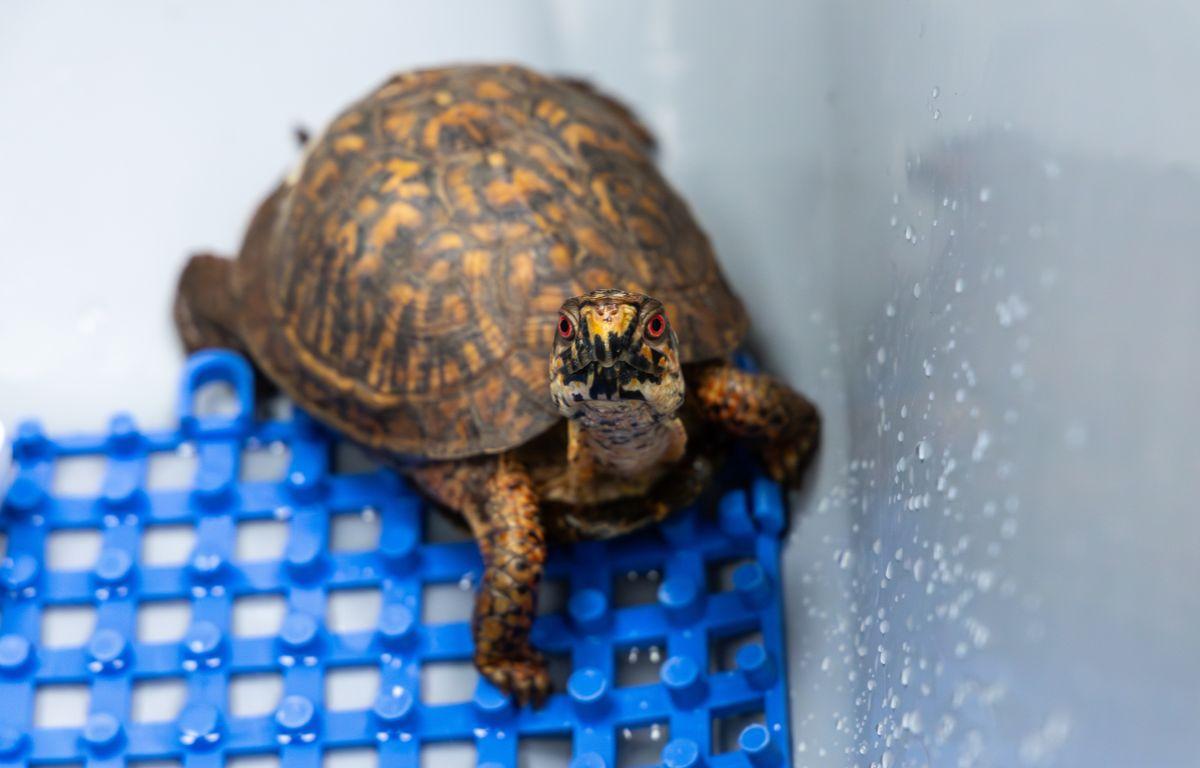
Eighteen students are currently enrolled in BC’s new Introduction to Wildlife Rehabilitation seminar and next semester they will apply their knowledge to caring for a cohort of woodland box turtles patients that are housed on campus.
According to a release, the seminar is taught by Dr. Tamara Johnstone-Yellin, associate professor of biology and environmental science, with guest experts from the WCV. During the spring Practicum in Wildlife Rehabilitation, students will be responsible for feeding, maintaining husbandry standards and monitoring the health of the turtles as they rehabilitate from illness or injury, in preparation for their eventual release to their home habitats.
“Our goal is to teach students the ins and outs of wildlife rehabilitation and have them get hands-on experience,” Johnstone-Yellin said.
Students will also be prepared to take the International Wildlife Rehabilitation certification exam, if they choose.
This new program expands the WCV’s state rehabilitation permits to include BC and builds on longstanding collaborations between the two institutions. Johnstone-Yellin has served on the WCV Science Advisory Committee and various BC students have worked or interned at the center over the years, including current WCV Senior Vice President Amanda Nicholson. Nicholson and Johnstone-Yellin both credit WCV President Emeritus and Co-founder Ed Clark, another BC alumnus, with playing a critical role in facilitating the partnership.
Nicholson said she hopes participating students will consider pursuing careers in conservation, veterinary medicine, and related fields.
“This partnership between WCV and BC supports our mission to teach the world to care about and to care for wildlife and the environment,” Nicholson said. “By training students in proper rehabilitation techniques, the program is actively building the next generation of wildlife professionals who will carry this mission forward.”