


 Listen Live
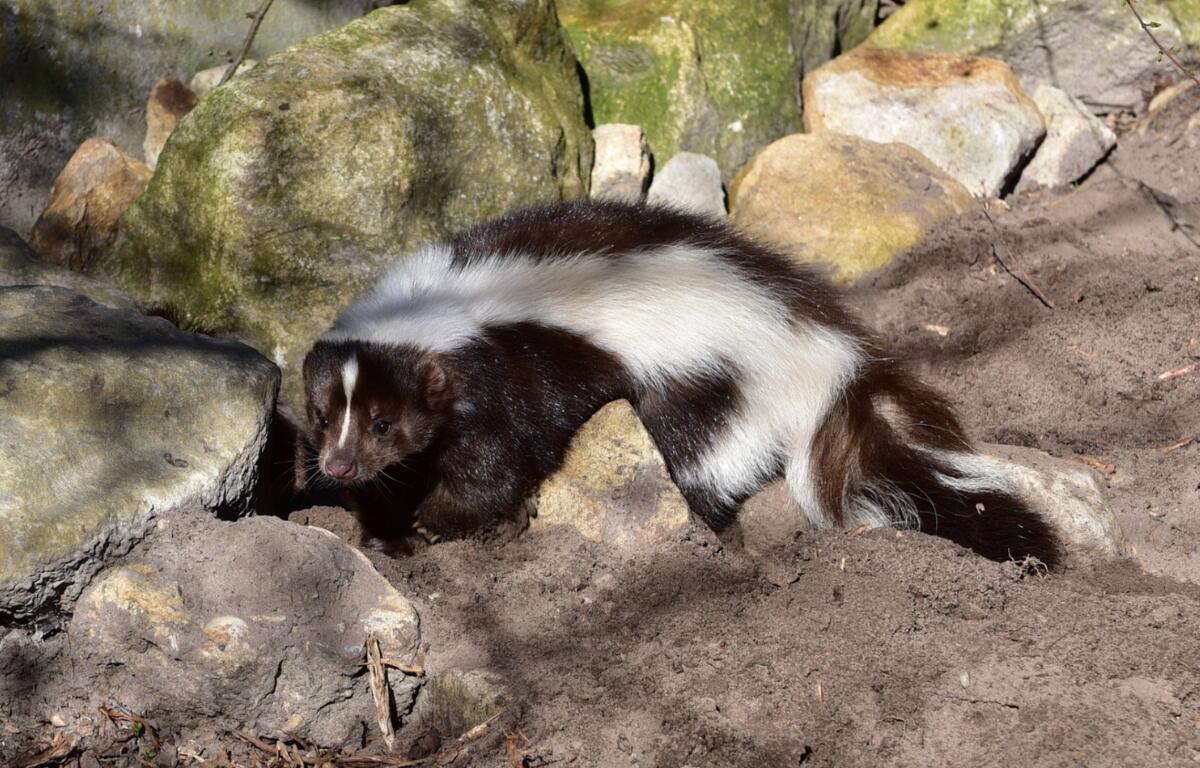

WAYNESBORO, VA (Rocktown Now) — Skunks are a familiar presence across Virginia’s forests, fields, and suburban areas, but as mostly nocturnal and solitary animals, they rarely cross paths with humans—except now. During the winter-to-spring transition, skunks become far more active in search of mates, increasing the chance of encounters.
In the Eastern United States, skunks typically breed from January through mid-March. Adult skunks usually live alone, so finding a mate requires leaving their usual territory. Male skunks may travel several miles each night looking for females. This surge in movement means skunks are more likely to cross roads, explore unfamiliar areas, and appear near homes.
Here’s how you can avoid surprise encounters and help keep skunks safe during this period of heightened activity:
Watch for skunks on the road
These animals are most active at night and twilight hours. Because skunks are omnivores, they’re often drawn to food scraps left along roadsides—unfortunately, this puts them at greater risk of vehicle collisions. Reducing litter can help keep wildlife safer, so always remember, no litter is safe litter!
Check your property for potential den sites
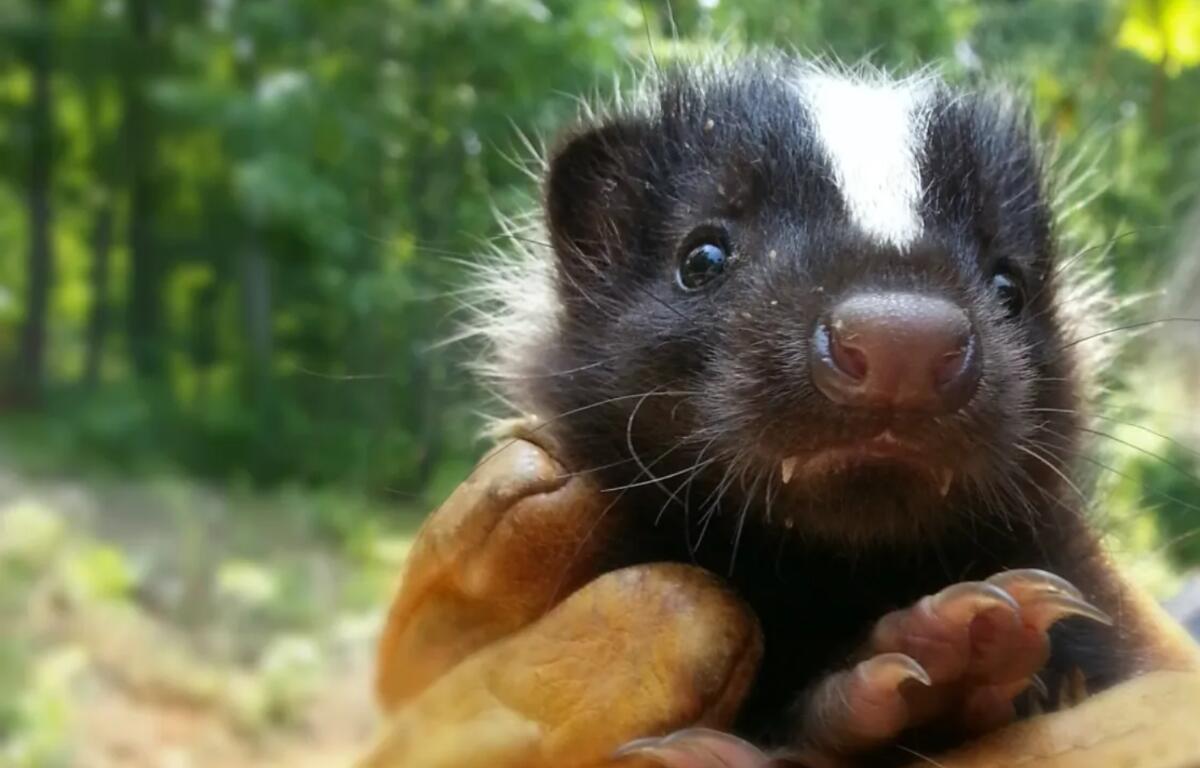
Baby skunks, known as kits, are typically born in May or June after a 60- to 75-day gestation period. Mother skunks seek out safe, sheltered spaces to raise their young, often choosing burrows beneath porches, crawlspaces, or other structures. Den openings are usually four to six inches wide and may have a faint skunk odor. Now is a great time to inspect your property and take steps to humanely discourage skunks from settling in. If a skunk has already moved in, it’s important to determine whether it’s a mother with young before attempting any deterrents. For guidance, visit the Center’s Skunks as Neighbors page.
Know the warning signs of defensive behavior
While skunks have poor eyesight, they can still detect approaching threats. If a skunk feels cornered or threatened, it will give clear warning signals before resorting to spraying. Look for foot-stomping, tail-raising, a quick turn to position its backend toward the threat, and hissing. If the warning is ignored, a skunk can spray multiple times, reaching up to 15 feet!
Use extreme caution when handling skunks
In Virginia, skunks are considered a high-risk species for rabies and roundworm. If you encounter a sick or injured skunk, avoid direct contact and refer to the Center’s Sick and Injured Wildlife page for safe handling practices.