Listen Live

HARRISONBURG, VA (Rocktown Now) — After an accident, most drivers are shaken, stressed, and just want things handled quickly.
But, you have a choice when it comes to choosing your collision repair facility, so understanding what you should look for in a collision center can make a major difference in how your vehicle is repaired and how safe it is when you get it back.
1. Why Your Choice of Collision Center Matters
Modern vehicles aren’t just metal and paint anymore. They’re packed with:
- Advanced safety systems
- Cameras and sensors
- Complex structural materials
A proper repair today isn’t about “making it look right.” It’s about making it perform safely in the next accident.
The shop you choose determines:
- Whether manufacturer repair procedures are followed
- If safety systems are recalibrated correctly
- The quality of parts used
- How thoroughly the vehicle is inspected after repairs
This is where not all collision centers are equal.
2. What to Look for in a Trusted Collision Center
Here are some key indicators that separate a well-equipped, safety-focused shop from one that simply gets cars out the door quickly:
- Training & Experience Technicians should receive ongoing training continually, as vehicle technology changes.
- Proper Diagnostics & Recalibration Modern repairs require scanning and recalibrating safety systems like lane assist, blind spot monitoring, and adaptive cruise control.
- Manufacturer Repair Procedures A quality shop follows the automaker’s repair guidelines and doesn’t take shortcuts, even when they take more time.
- Transparency
You should be able to ask:- What parts are being used?
- Why is this repair necessary?
- Has my vehicle been fully recalibrated?
A good shop welcomes those questions!
3. Certifications That Actually Matter
Certifications aren’t just wall décor. They indicate real investment in training, equipment, and accountability.
Some important certifications to look for include:
- I-CAR Gold Class Shows that technicians and the shop meet industry-leading training standards for modern collision repair.
- OEM Certifications (Manufacturer Certifications) Certifications from automakers like Ford, GM, Honda, or others mean the shop has specialized tools, factory training, and access to manufacturer repair data.
- Not every shop has these — and that matters, especially for newer vehicles and EVs.
- ASE-Certified Technicians Indicates tested, proven technical knowledge.
A shop with multiple certifications is demonstrating commitment and expertise, NOT convenience, especially because the cost of training is substantial and continual.
4. What This Means for Drivers in the Shenandoah Valley
After an accident, decisions can be stressful, but you control where your vehicle is repaired. Choosing a collision center with proper training, certifications, and transparency
helps ensure your car is returned to you safe, structurally sound, and ready to protect you again.
At Harrisonburg Collision Center, we believe repairs should meet manufacturer standards, not minimum requirements, because your safety doesn’t come with shortcuts.
If you ever have questions about your repair options or your rights as a vehicle owner, just ask. We’re here to help you make informed decisions before and after an accident.
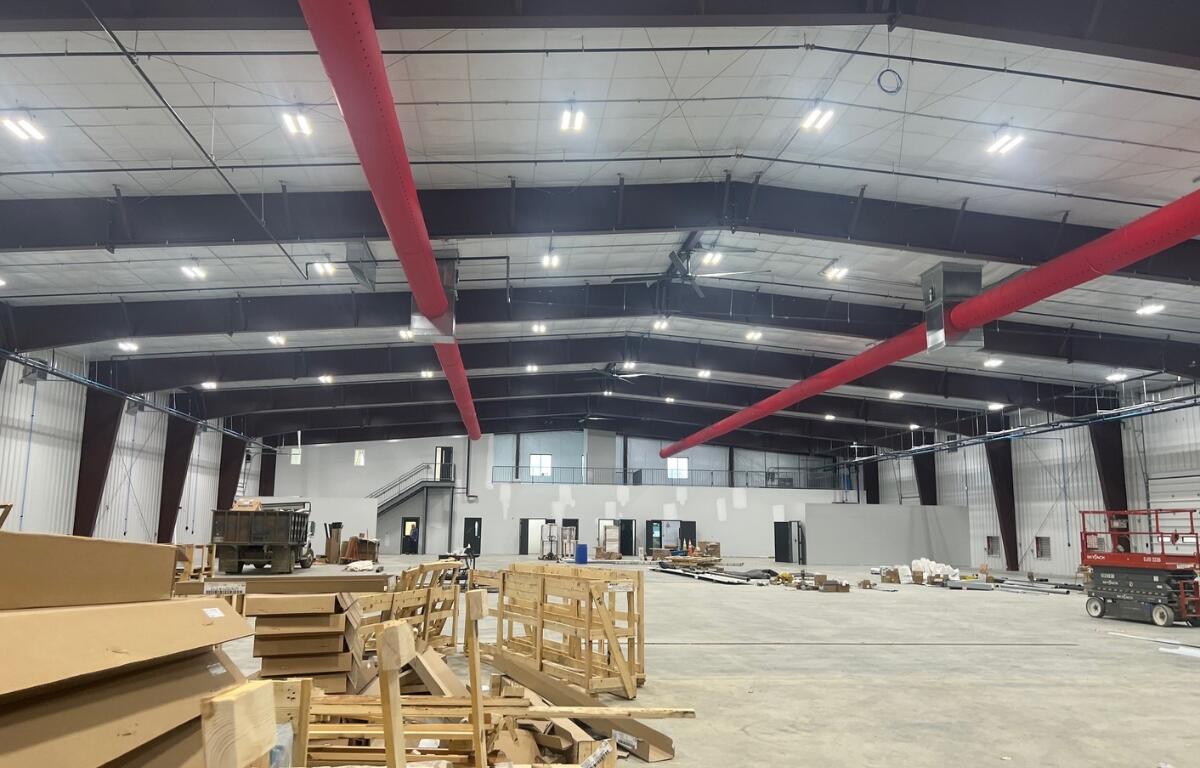
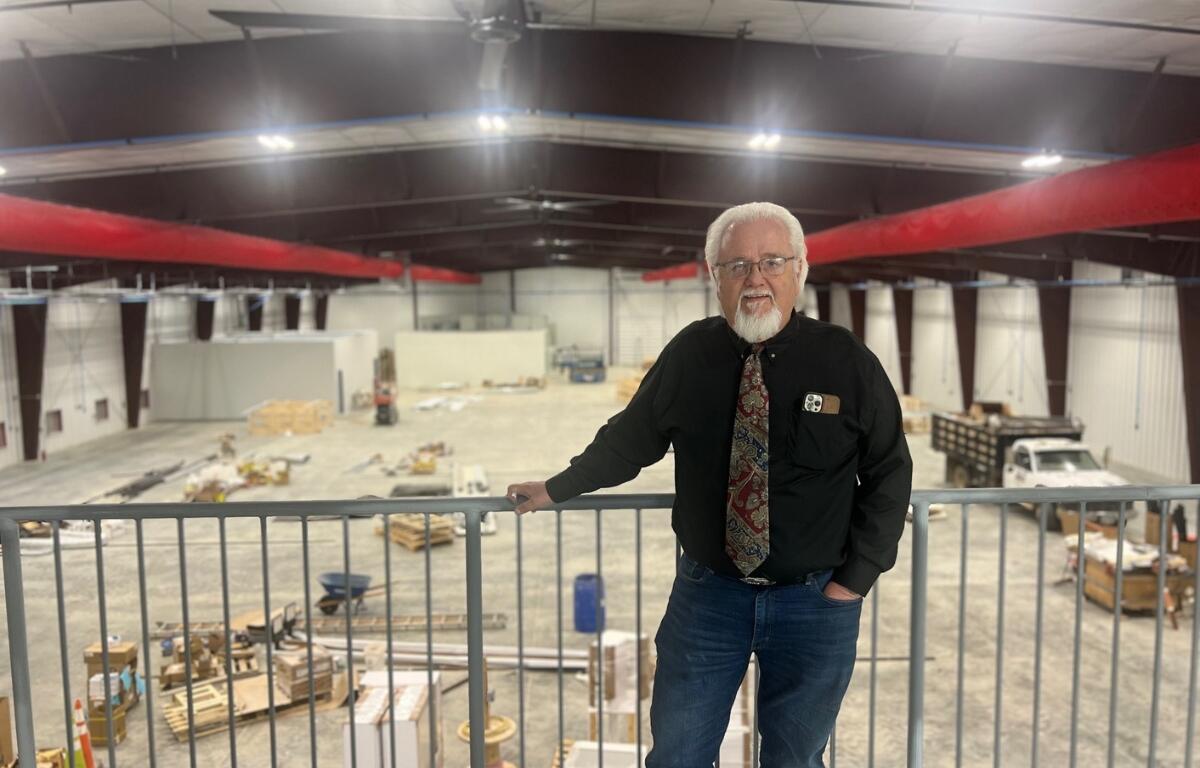
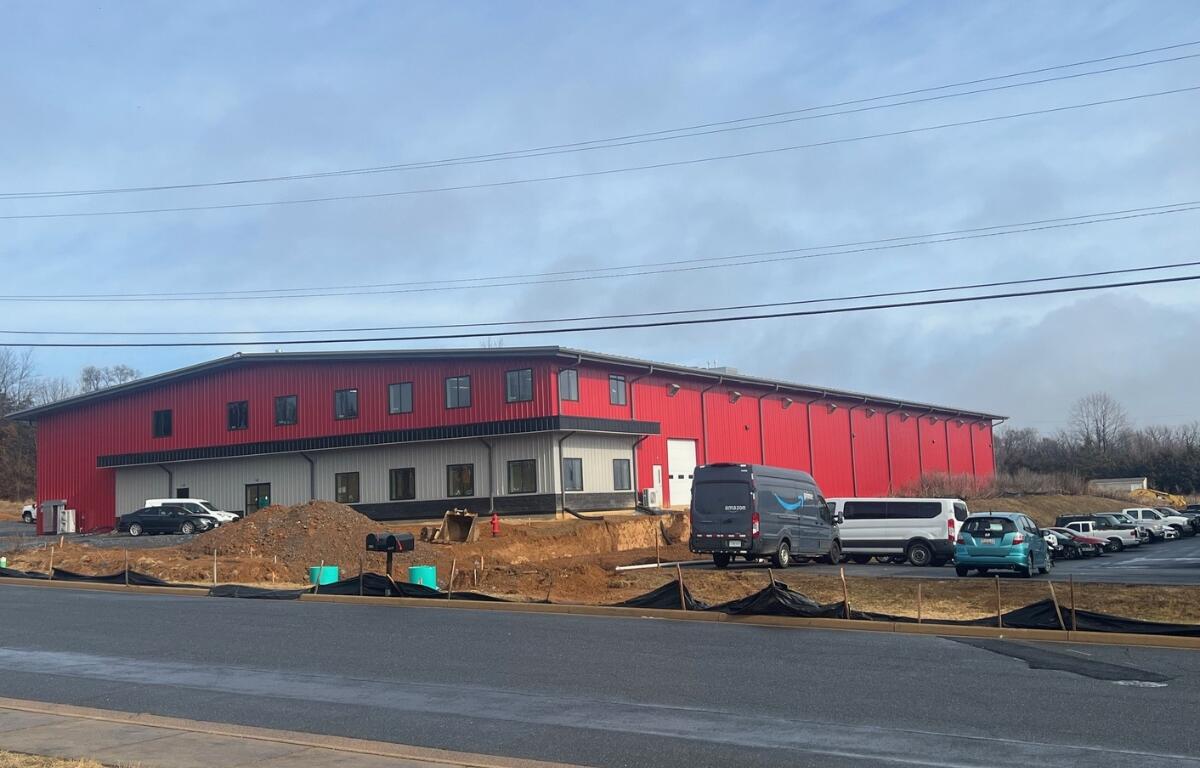
Here are some sneak peek pictures of Harrisonburg Collision Center’s new state-of-the-art facility coming soon!