


 Listen Live
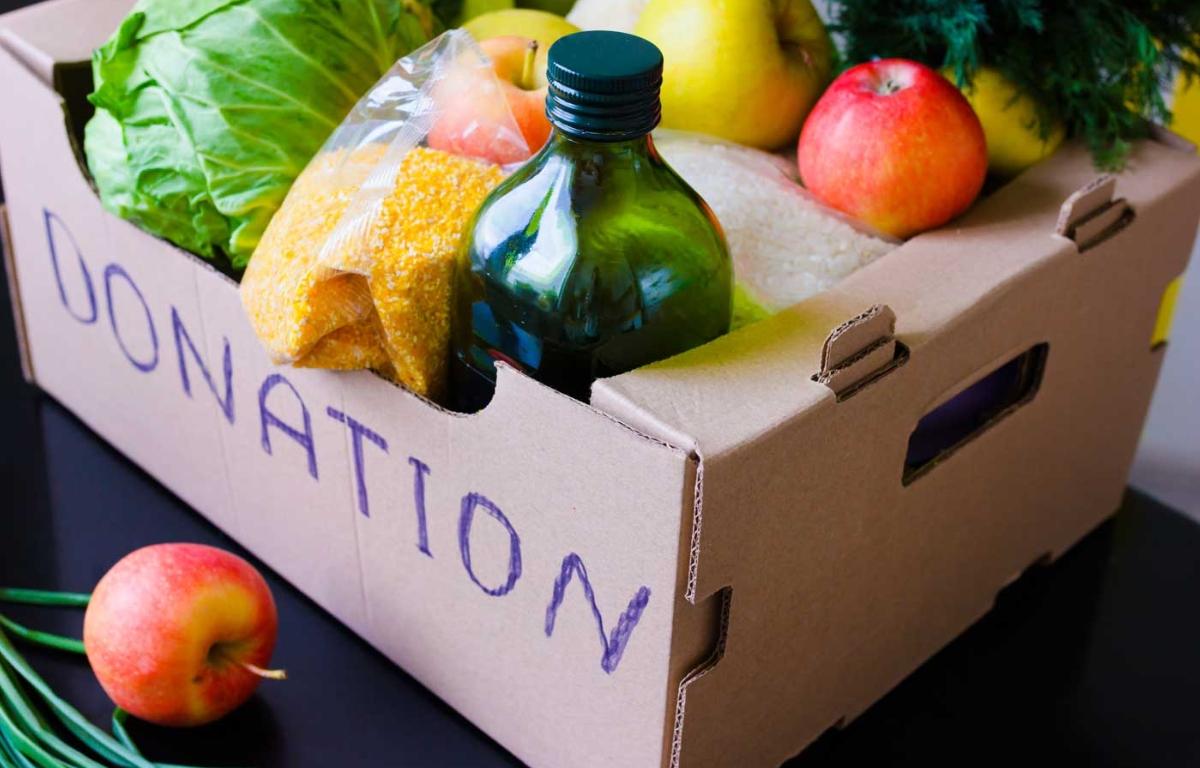

WASHINGTON (Virginia Farm Bureau) — With historic hunger rates on the rise, Virginia food banks are looking to leverage local resources to improve health outcomes across the commonwealth.
The U.S. Department of Agriculture and Department of Health & Human Services recently released updated dietary guidelines that acknowledge the value of prioritizing high-quality protein, dairy and fresh fruits and vegetables to address poor health outcomes across the nation.
“We know that eating well and eating good food is a critical part of your health journey,” remarked Eddie Oliver, Federation of Virginia Food Banks executive director. “But access has to be part of the conversation when we talk about better health outcomes, because the most nutritious food is often the least affordable.”
Each year, millions of Americans experience food insecurity—uncertain access to adequate food due to a lack of financial resources. Food insecurity is associated with higher incidences of chronic disease, and food-insecure individuals typically have higher overall health care costs when compared to food-secure individuals, according to Feeding America.
Over 1 million Virginians were food insecure in 2023—the highest number recorded in Feeding America’s Map the Meal Gap study.
And demand for food assistance across the federation’s seven regional food banks and their network of 1,150 pantry partners “has only gone up,” Oliver noted.
The food banks are spending nearly five times more on food than in 2019—strained by rising food prices, federal funding cuts to food purchasing programs, and One Big Beautiful Bill Act cuts to the Supplemental Nutrition Assistance Program and Medicaid.
The network spent about $3 million over budget during the government shutdown in response to “the longest pantry lines we’ve seen in years—when folks were unsure if they were going to get their SNAP benefits, and we had a lot of layoffs,” he added.
Over 850,500 Virginians were enrolled in the SNAP program as of September 2025, according to the Virginia Department of Social Services.
To accommodate for SNAP cuts in the One Big Beautiful Bill Act, the food banks network would need to “suddenly distribute twice as much food overnight,” Oliver noted.
Dairy, meat, protein and fresh produce are the most requested pantry items—and often the hardest to come by. As grocery stores struggle to stock their own shelves, the network becomes increasingly dependent on local growers for wholesome foods.
“It’s really remarkable that agriculture is Virginia’s largest private industry, and yet we have over a million people who are food insecure,” Oliver remarked. “We feel like we can support local economies and strengthen Virginia’s food system by buying from local producers.”
The federation works to strengthen partnerships with Virginia farmers through initiatives like Farms to Food Banks, which includes The Virginia Agriculture Food Assistance Program. Administered by the Virginia Department of Agriculture and Consumer Services, VAFAP compensates farmers for food products that are donated or sold to charitable food assistance organizations.
Recent apple surpluses inspired fruitful partnerships between the food banks network and Shenandoah Valley orchards—delivering high-quality apples to neighbors in need while reducing food waste and improving farmers’ bottom lines.
To keep up with protein demand, the network has sourced peanut butter from local processors, locally raised beef and fresh, local milk through its Milk for Good program. Through a partnership with the Maryland & Virginia Milk Producers Cooperative and charitable donations, the food banks purchased over 30,000 half gallons of milk in the last three months.
“Everyone loves the local connection,” Oliver remarked. “Likewise, farmers are some of the most generous people in the state, and they’re always excited about the opportunity to partner with food banks, because they know it’s going to help families in their communities.”
He also noted that VAFAP can work in tandem with the state’s food crop donation tax credit, offering farmers 50% farm market value on wholesome foods donated to food banks. Donors may claim up to $10,000 per year in tax credits.
Farmers interested in partnering with the food banks network should contact Oliver at eoliver@vafoodbanks.org or 785-220-7708.
Consumers can best support the network’s initiatives through monetary donations and volunteer opportunities at local food banks and pantries.
Visit vafoodbanks.org for more information.