


 Listen Live
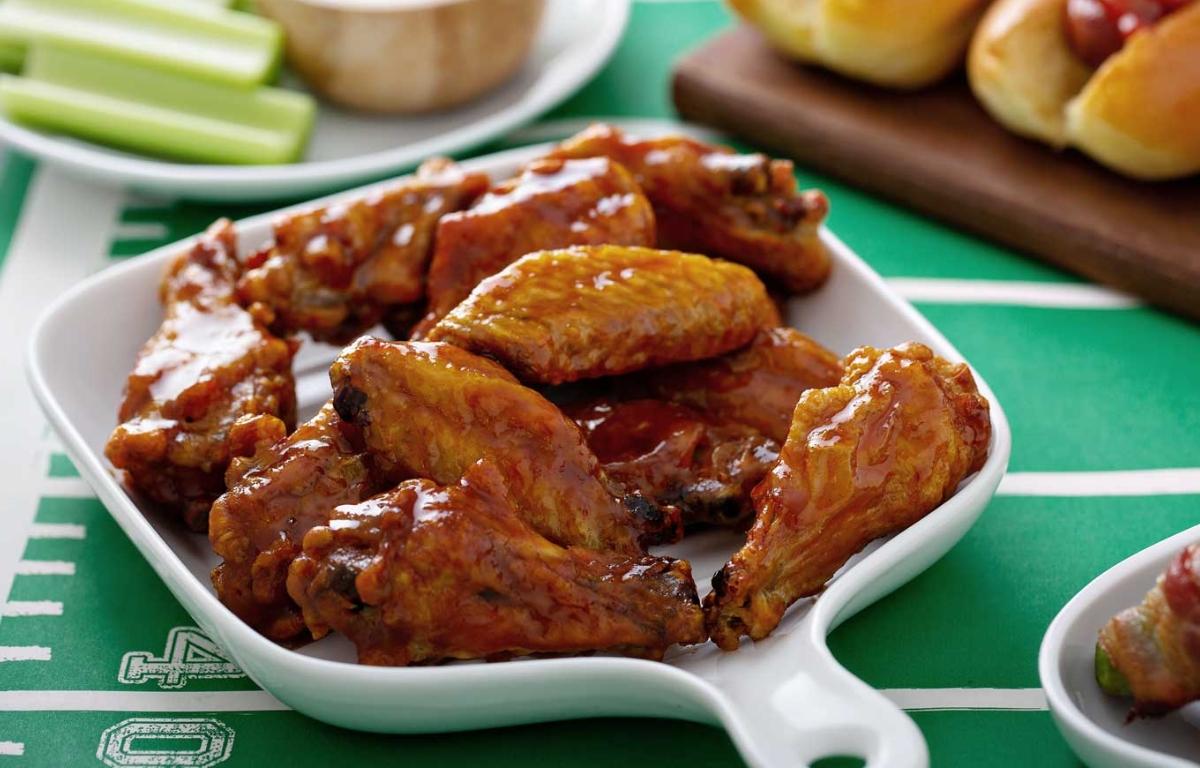

WASHINGTON (Virginia Farm Bureau) — With a surge in chicken wing consumption predicted for the 2026 Super Bowl, satisfying growing game day appetites requires the strength and resilience of farmers.
The National Chicken Council recently released its annual Chicken Wing Report, projecting Americans will consume 1.48 billion chicken wings while watching the New England Patriots battle the Seattle Seahawks. That represents about 10 million more wings than last year’s championship game.
For perspective, 1.48 billion wings laid end to end would circle the planet almost three times.
Consumers can thank Virginia’s robust poultry industry for helping meet growing demand. According to the most recent U.S. Census of Agriculture, 1,168 farms produced over 55 million broilers and other meat-type chickens in 2022.
In 2024, national farm-level poultry receipts totaled about $45.4 billion, making poultry one of the most valuable segments of U.S. agriculture. In Virginia, cash receipts for broilers exceeded $1.2 billion, according to USDA Economic Research Service data.
In the latest Market Intel, American Farm Bureau Federation economists analyzed the most popular game day snacks and the economic pressures on farmers who grow them.
The NFL championship represents the second highest day of food consumption, second only to Thanksgiving.
“As fans gather around their TVs this Super Bowl Sunday, it’s worth remembering that every bite reflects far more than what’s on the plate,” the Market Intel states. “It reflects a highly coordinated agricultural system and the farmers and ranchers working every day to keep it running, even as economic pressures continue to mount well beyond game day.”
While demand for wings remains strong, poultry growers operate in a highly consolidated, contract-based system—receiving set payments, which limits their ability to benefit when wholesale or retail prices rise. Additionally, growers typically finance and own their own poultry houses, often investing $1 million or more in specialized buildings and equipment.
Tortilla chips are the most consumed chip at Super Bowl parties. Corn tortilla chips and other corn-based snacks start with field corn—the most widely planted crop in the country. Corn production in Virginia was valued at $227 million in 2024.
Meanwhile, prices paid to U.S. corn farmers are historically low, with farmers projected to lose an average of $173 per acre in crop year 2026.
Potato chips are a close second in popularity to tortilla chips. The nation’s farmers grow nearly $5 billion in potatoes annually, with 481 Virginia farms harvesting 3,240 acres of potatoes in 2022.
While demand for potatoes is strong, rising costs for labor, energy, storage and other expenses have outpaced what the market is paying.
And game day favorites like pizza, queso dip and charcuterie boards are made possible with the nation’s roughly 24,800 dairy farms. Dairy products ranked fourth among Virginia’s top farm commodities in 2024, generating over $363 million.
U.S. milk production is currently at record levels, helping to keep cheese plentiful and affordable for consumers. But economic pressures have contributed to a more than 60% decrease in the number of dairy farms from 2005 to 2024.
“Farmers are proud to grow the food America’s families enjoy during their parties, and every other day of the year,” said AFBF President Zippy Duvall. “We’re fortunate to be blessed with such an abundant food supply, but the reality is, farmers are facing an economic crisis like we haven’t seen in generations.
“We’re grateful for aid the administration has delivered to farmers this year and do not take that for granted, but more steps are needed to ensure farmers can stay in business until markets improve,” he continued. “There will be only one winner in the game this Sunday, but everyone wins when we protect America’s food supply chain.”