


 Listen Live
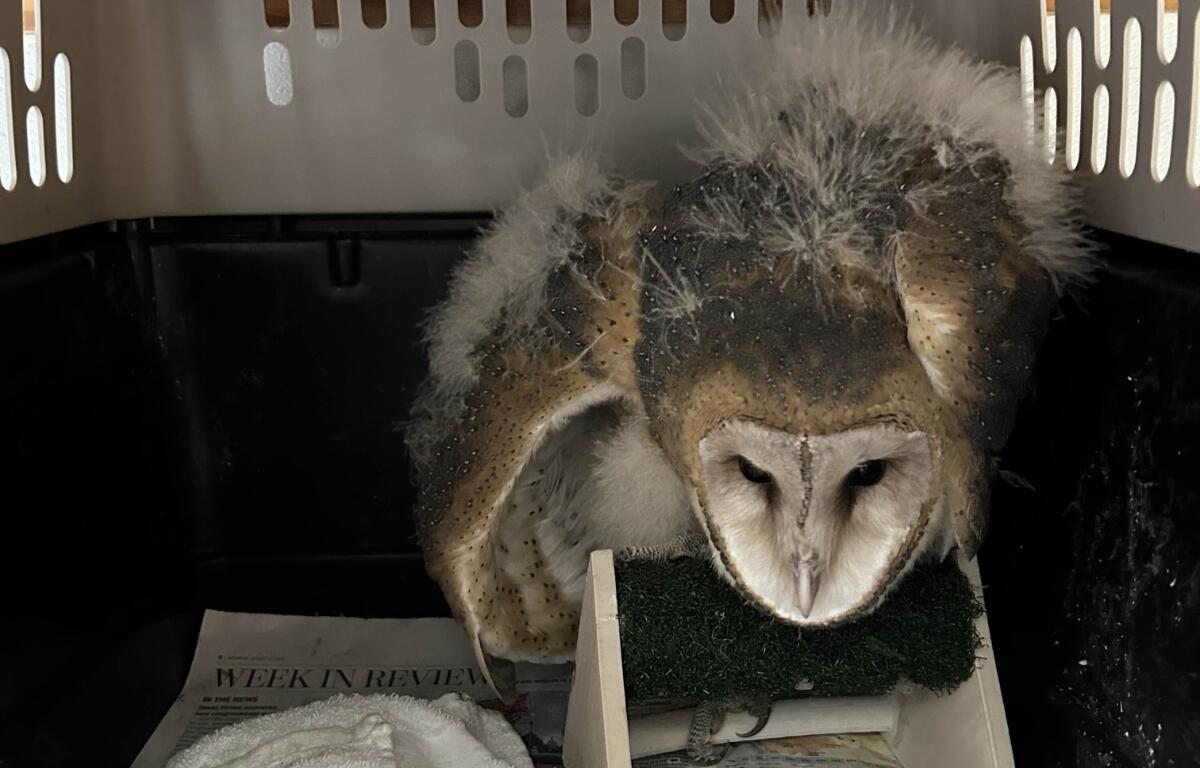

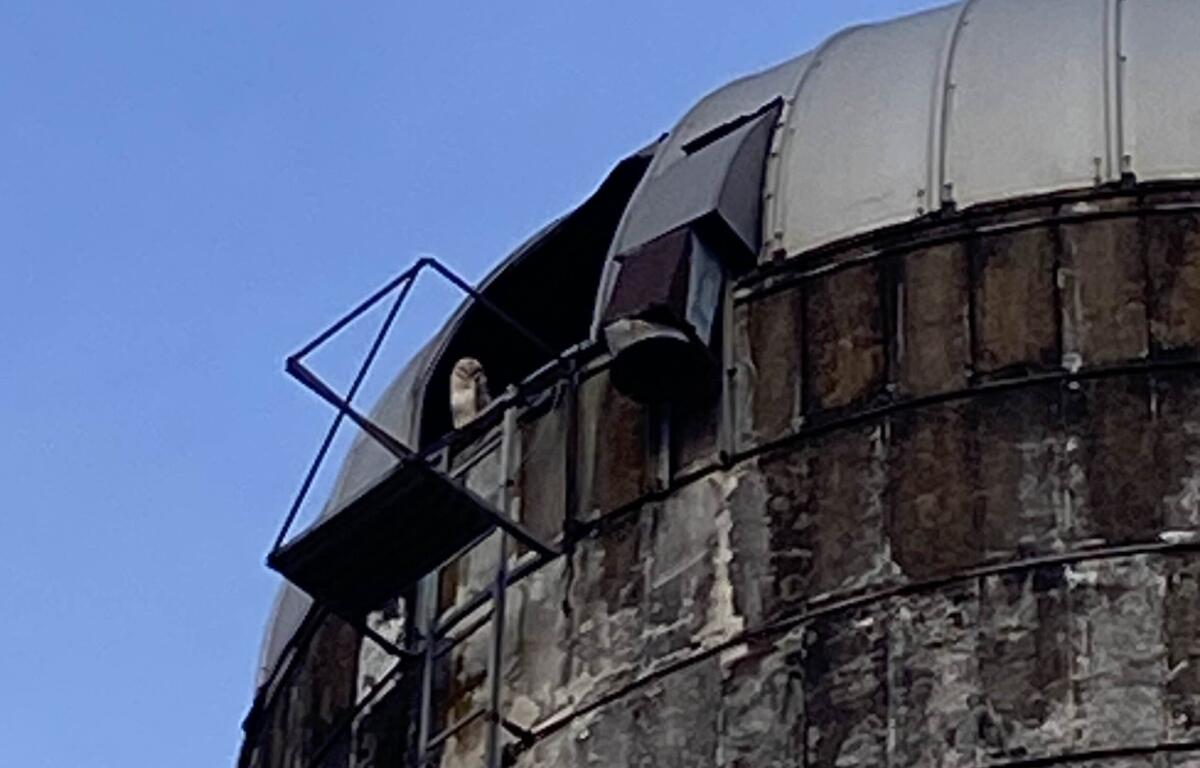
AUGUSTA COUNTY, VA (Wildlife Center of Virginia) — On November 28, the Wildlife Center admitted a fledgling Barn Owl from Augusta County after it was found on the ground beside a grain silo. The owl’s nest was located inside the silo, and the calls of its parents and siblings could be heard from within. Concerned that the young bird may have prematurely left the nest and sustained an injury, the property owner brought it to the Center for evaluation and care.
Barn Owls are medium-sized owls with a distinct heart-shaped face. Unlike other owl species native to Virginia, Barn Owls nest year-round, and usually form monogamous pairs for life. While some will nest in trees or crevices, most prefer human-made structures, including barn lofts, houses, and abandoned buildings. Their preference for such structures has earned them the nickname “the ghost of the barn.”
On admission, the owlet was bright and alert. The Center’s veterinary team conducted a thorough examination and found no injuries or other health concerns. They suspect that the young owl had only recently fledged and simply wasn’t yet ready to fly. At this stage, it’s normal for parents to continue caring for their fledglings on the ground. The Center’s team decided that the best course of action was to return the owlet to its nest so it could continue receiving care from its parents.
The following day, several members of the Center’s veterinary team met the rescuer at the silo to attempt renesting. Veterinary Technician Intern Lilly explained that the team had been bracing for an intense climb.
“We were actually prepared to climb to the very top of this abandoned silo,” she said, noting that both the rehabilitation and veterinary teams — with help from the front desk — had brainstormed the re-nesting approach. “When we arrived, we shimmied ourselves and a ladder inside the silo and plotted how to get the owl as high as possible. But then we discovered that the owl was capable of managing short flights and climbing on its own.”
The team gave the owlet a head start by placing it on a metal structure 10 feet off the ground, then stepped back, watching as the bird began to work its own way upward. Eventually, the owl disappeared into the shadows at the top — a height of about 40 feet — where its family waited, safely reuniting with its parents and siblings.
For Lilly, the experience left a lasting impression. “When we first investigated the silo, you could tell these owls had been nesting there for years,” she shared. “There were hundreds of owl pellets layered with old prey items — evidence of a successful nesting site. Even though the structure was human-made, between all the signs of life and the siblings staring down at us from above, it felt like standing in true wilderness.”
Reuniting young raptors with their parents is always the Center’s priority when possible, and it’s especially vital at this stage of development. Young owls depend on their parents not just for food, but also for survival lessons: how to hunt, how to avoid predators, and how to navigate the world safely. As Lilly noted, although the team could
have kept this patient at the Center, “the owlet had its best chance of learning survival strategies from its parents.”
Now that the owl has been reunited with its family, the property owners/rescuers are keeping a close watch on the silo. They have observed the parents depart at dusk to hunt, returning with food for their young. Soon, the rescuers hope to witness the fledglings taking their first full flights, ready for life on their own.